Perceptions of postnatal care after emergency caesarean sections
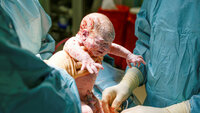
Women who had given birth by caesarean section often downplayed their own complaints, felt left to their own devices and received invaluable assistance from their partner.
Mothers who engaged with the ‘New families’ home visit programme, had more frequent contact with child health centres. But more than a third of all the mothers reported that they had received inadequate information from public authorities about the child health centre’s services.
Collaborative interdisciplinary meetings may increase the mutual respect between health professionals and provide more knowledge about the patient.
Weight is one of the simplest measurements of nutritional status. Nevertheless, a number of personnel in the community nursing services lack knowledge about nutrition and good routines for weighing patients.
Different perspectives on what to prioritise, characterise the cooperation.
Patients undergoing gynaecological laparoscopies and anorectal procedures suffered the most nausea, while those who underwent major breast cancer surgery experienced the least nausea.
The patients accepted being asked about their alcohol habits and being referred to an alcohol and drug counsellor. The under-60s were more positive.
They are ever on the alert vis-à-vis their daughter, suffer loneliness and feel that the eating disorder is taking over their home.
Healthcare personnel in interdisciplinary teams believed that registered nurses made a distinct and recognised contribution to the collaborative effort. In particular, they valued the registered nurses’ somatic knowledge and their milieu therapy expertise.
Whereas «PLO»-messages serve as a beneficial communication tool, they have to be supplemented with oral communication and meetings.