Screening of nutritional risk among older persons
30–60 per cent of older adults in hospitals and nursing homes are malnourished. A well-suited screening tool is to detect the persons who are at risk of malnutrition.
Involving a user and a professional translator may be appropriate when an instrument is translated and adapted to another culture.
The current practice of using oxygen therapy has proven to be incomplete.
A care discourse, aimed at the patient’s needs, was prominent in the evaluation and assessment notes. The treatment plans reflected a problem-focused discourse, where only problems were recorded.
Public health nurses make active use of the International Child Development Programme (ICDP) in their work to improve the interaction between parents and children.
Most community-dwelling older adults had a high function level. However, those with mild cognitive impairment had a significantly poorer grip strength and slower walking speed, and had taken fewer steps.
Most women in labour with intrapartum fever receive the correct treatment on suspicion of infection. But in 28 per cent of cases, antibiotic therapy is initiated unnecessarily or too early.
Readmitted patients are older, but their mortality rate is almost equal to that of non-readmitted patients. Patients readmitted within 72 hours are more likely to have an incomplete written transfer report.
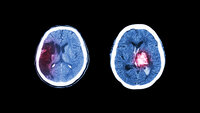
When nurses and healthcare personnel are able to identify which patients are particularly at risk of post-stroke fatigue, patients can be given the appropriate follow-up at the right time.
Simulation based communication courses can give improved communication skills and increased understanding of how the communication model may be used.