Stigmatisation and shame – a qualitative study of living with obesity
Healthcare personnel should treat obese people with openness and without prejudice. By doing so, they can help them develop a resistance to shame.
Healthcare personnel should treat obese people with openness and without prejudice. By doing so, they can help them develop a resistance to shame.
Most women in labour with intrapartum fever receive the correct treatment on suspicion of infection. But in 28 per cent of cases, antibiotic therapy is initiated unnecessarily or too early.
The recently developed app APPETITT can inspire to a varied diet and increase the attention to dietary habits for home-dwelling elderly.
Nurses can experience moral stress and feel a sense of shame when they are torn between a patient’s needs and the requirements of the treatment system. Ethical reflection in supervision can help.
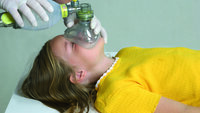
The study’s informants were particularly apprehensive about critical emergencies and unsure how to use medical equipment such as bag valve masks.
Weight measurement provides an indication of the well-being, nutrition and health of children and adolescents. It is therefore important that the scale that is used provides precise measurements.
Health personnel find that high-energy smoothies do not always have the intended effect. Some patients become obstipated or nauseous, and undernourished patients do not gain weight.
A successful kidney-pancreas transplantation improves and stabilises patients’ daily lives. It also brings with it new elements of uncertainty that are important to convey to the patient.
They no longer need to always be looking for their next fix and have more time and money. Even though the treatment programme is challenging, they feel a greater sense of freedom.
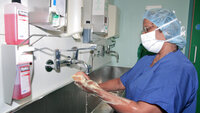
Scrub nurses were better than surgeons at following the recommended length of time and techniques for surgical hand washing and hand antisepsis.