Individual care plan at the palliative stage – helping relatives to cope
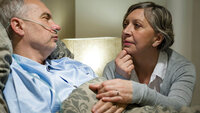
Establishing an individual care plan at an early stage of palliative care gives relatives hope and support. They also feel seen and their burden of responsibility is lessened.
Establishing an individual care plan at an early stage of palliative care gives relatives hope and support. They also feel seen and their burden of responsibility is lessened.
The learning outcome improved when digital resources were combined with teacher-led activities in lectures. Working in a social setting and participating in group work also had a positive effect on students’ learning.
They feel like a burden on resources and have a need for care and real co-determination.
RNs in the primary healthcare service showed that they can be highly adaptable in a crisis. Preparedness, infection control plans and support in their daily work were critical to how well they dealt with the pandemic.
Healthcare personnel can make decisions about the admission basis and treatment needs or hold care coordination meetings with the service user, and the community mental health centre and municipalities can establish accountability or negotiate responsibility, and determine which measures to implement.
Although there are procedures for medication reconciliation, the process is challenging to implement and the allocation of responsibility is unclear.
Body temperature was measured differently and the routines were not the same. Provision should be made for a practice ensuring that staff have the necessary equipment and time to prevent inadvertent perioperative hypothermia.
Patients move quickly between different units during the surgical pathway. Older patients in particular are at risk of suffering related to care such as violations of dignity, neglect and poor pain management.
Normalisation Process Theory can be used to assess the prerequisites for ensuring that a new intervention becomes established practice.
When public health nurses use the EPDS screening tool in addition to their gut feeling and clinical judgment, they identify more mothers who need help.