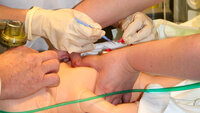
Simulation-based team training in paediatric units
Simulation-based team training improves quality of patient care, but the training should be a planned activity.
Simulation-based team training improves quality of patient care, but the training should be a planned activity.
Some municipalities gave considerably more prominence to finances and day-to-day operations than safe and secure patient experiences.
It is an ordeal to be diagnosed with and treated for testicular cancer. Various resources can help patients to handle the difficult situation more easily.
In order to meet the challenges associated with undernutrition in elderly patients who receive home-based nursing care, it is necessary to screen for nutritional status.
When ESAS is routinely used to map symptoms, the patients experience greater symptom relief and a better quality of life. However, not everyone uses the tool systematically.
Many medical records lacked information about nutritional risk, and few patients at nutritional risk were followed up.
Intensive care patients often suffer from undertreated pain. A pain assessment tool in a Norwegian version may increase the quality of patient treatment.
Many municipal in-patient acute care units do not use scoring tools as part of registered nurses’ decision-making basis.
People with genetic aortopathies should be given information on their diagnosis and support to find safe, enjoyable activities. Many also need psychosocial support.
Close relatives help patients to live at home longer and are an important resource for the welfare state. But they can also contribute to an unfair allocation of nursing home beds by advocating for their own family members.