Nutritional status assessment – a professional responsibility in community nursing
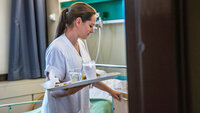
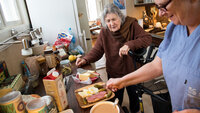
It is challenging for community nurses to screen their patients’ nutritional risk because the guidelines fail to take sufficient account of the domestic arena.
It is challenging for community nurses to screen their patients’ nutritional risk because the guidelines fail to take sufficient account of the domestic arena.
Most of those who work part time choose to do so for reasons of lifestyle or family values. However, sociable working hours and professional challenges may provide the motivation required for some to increase their full-time equivalent percentage.
Quality improvement measures led to midwives reducing the use of cardiotocography (CTG) on admission by 47 per cent. Nevertheless, they continued to use CTG more often than necessary.
People with genetic aortopathies should be given information on their diagnosis and support to find safe, enjoyable activities. Many also need psychosocial support.
They feel like a burden on resources and have a need for care and real co-determination.
Guided Self-Determination (GSD) can help improve the counselling skills of registered nurses. It can also encourage patients to reflect on their own communication skills.
Registered nurses taking a master’s degree and/or a postgraduate programme acquired relevant knowledge that they could use in their daily work in order to assist patients in the decision-making process.
More and more studies are examining systems for early detection of clinical deterioration in non-hospital settings, but few have focused on older people and primary care.
Following the Care Coordination Reform, more frail elderly patients have died after discharge from hospitals to nursing homes and more have been discharged to return home.
The practice differs when midwives use medication to stimulate contractions rather than breast stimulation. Not all midwives classified the CTG or used a checklist for oxytocin stimulation.