Effects of de-escalation training on student nurses' skills and confidence
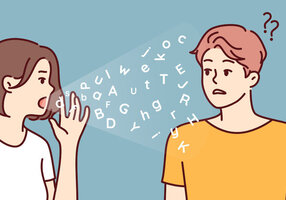
De-escalation training improved students’ de-escalation skills and boosted their confidence in coping with patient aggression.
A care discourse, aimed at the patient’s needs, was prominent in the evaluation and assessment notes. The treatment plans reflected a problem-focused discourse, where only problems were recorded.
PEWS promotes a systematic approach to monitoring and better communication in paediatric departments, but there is a need to follow up and improve guidelines and quality-assurance activities.
Parents who unexpectedly have a child with Down’s syndrome can interact with the child in a more constructive way when healthcare personnel talk to them in a positive manner immediately following the birth.
When staff in the child health clinic and school health services tell parents that their child is overweight, many feel both a sense of shame and guilt.
Inspirational practical training entails peer mentoring by third-year students. This provides a better understanding of the complexity of nursing and the relevance of the profession.
They no longer need to always be looking for their next fix and have more time and money. Even though the treatment programme is challenging, they feel a greater sense of freedom.
Measures such as the ‘getting-to-know-you’ day, the ‘float nurse’ function at an early stage, group meetings and internal training greatly benefitted supervisors and students at Oslo University Hospital.
The Norwegian translation is appropriate for exploring postoperative symptoms in patients following day surgery. The language, instructions and scoring are comprehensible as well.
Practice supervisors are of the opinion that the students need specially adapted arrangements for hospital work placements in order to complete their education.