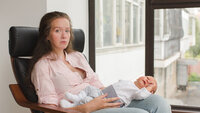
Routine screening for postpartum depression puts mental health on the agenda
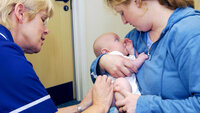
When public health nurses use the EPDS screening tool in addition to their gut feeling and clinical judgment, they identify more mothers who need help.
When public health nurses use the EPDS screening tool in addition to their gut feeling and clinical judgment, they identify more mothers who need help.
It will be more difficult to observe patients and perform clinical assessments. Nor do all patients have sufficiently good digital skills or adequate health literacy.
Recruitment to the Cardiac Rehabilitation Programme seems to be somewhat random and ‘the main concern is to get the patients on the list’. Health professionals should communicate better among themselves and prepare guidelines for recruitment.
A systematic literature review shows that six competence areas play a key role in enabling health personnel to give patients and service users good outcomes from self-management programmes.
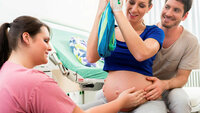
The father’s role has changed, and fathers have become more active as regards childcare. Nevertheless, they may feel excluded during pregnancy, childbirth and follow-up at the child health centre.
Following the introduction of the Coordination Reform, nurses employed by the municipal health service have had to deal with a growing number of complex, patient-focused tasks. The need for professional development is considerable, but there is no overall strategy in place.
They observe eye contact, comforting and other behaviours based on experience rather than by making use of recognised instruments. Their assessments are influenced by professional development opportunities, a heavy workload and interdisciplinary collaboration.
Healthcare personnel need more knowledge regarding hearing loss and communication with deaf people. In addition, some healthcare personnel have negative attitudes towards this patient group.
They feel like a burden on resources and have a need for care and real co-determination.
There is no difference in functional disability between women and men after having a stroke.