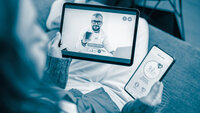
Experiences with a telemedicine service for patients with COPD: a case study
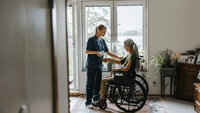
Patients and their caregivers experience less anxiety and worry. Healthcare personnel also had positive experiences with the telemedicine service.
Patients and their caregivers experience less anxiety and worry. Healthcare personnel also had positive experiences with the telemedicine service.
A care discourse, aimed at the patient’s needs, was prominent in the evaluation and assessment notes. The treatment plans reflected a problem-focused discourse, where only problems were recorded.
Seriously ill patients require more medical-technical assistance and care. More nurses should have the opportunity to study Advanced Clinical Practice.
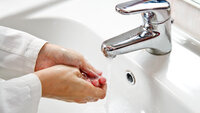
Interventions such as reminders, direct observations and hand hygiene facilitation lead to fewer outbreaks.
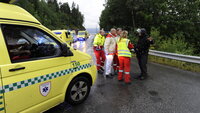
Healthcare personnel, the police and the fire and rescue service, as well as voluntary groups, felt that they were supported by management, worked well together and shared a sense of pride in their efforts.
Deficient documentation of falls may stop the implementation of necessary preventive interventions. The nursing homes in the study are nevertheless failing to comply with their own documentation requirements.
Body temperature was measured differently and the routines were not the same. Provision should be made for a practice ensuring that staff have the necessary equipment and time to prevent inadvertent perioperative hypothermia.
Diabetes specialist nurses have a strong feeling of responsibility for the patient and find it challenging to keep up to date with all the functions of some of the insulin pumps.
The students gain an increased understanding of cultural differences by maintaining an open attitude and receiving explanations of cultural differences that they do not understand.
When ESAS is routinely used to map symptoms, the patients experience greater symptom relief and a better quality of life. However, not everyone uses the tool systematically.