Co-ordinated collaborative meetings as patients transition from the psychogeriatric health service
Collaborative interdisciplinary meetings may increase the mutual respect between health professionals and provide more knowledge about the patient.
It is challenging to treat children in a general intensive care unit intended for adults. Good training, good cooperation, and fulfilling children’s needs are valuable measures.
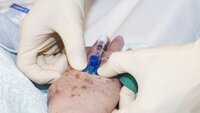
Differences in the level of knowledge and unreliable equipment make it difficult for health personnel in the home health care services to discover and diagnose urinary tract infection. We need national guidelines for the collection of urine samples and the use of urine dipsticks in the home care services.
They observe eye contact, comforting and other behaviours based on experience rather than by making use of recognised instruments. Their assessments are influenced by professional development opportunities, a heavy workload and interdisciplinary collaboration.
Simulation-based team training improves quality of patient care, but the training should be a planned activity.
The purpose of reporting adverse incidents is not to point to scapegoats, but to increase patient safety. Nevertheless, many professionals fail to report unwanted incidents, a study shows.
Intensive care patients often suffer from undertreated pain. A pain assessment tool in a Norwegian version may increase the quality of patient treatment.
Whereas «PLO»-messages serve as a beneficial communication tool, they have to be supplemented with oral communication and meetings.
Family caregivers will need correct and relevant information and support from health care professionals to perform the significant caring role they have to take on.
Normalisation Process Theory can be used to assess the prerequisites for ensuring that a new intervention becomes established practice.