Medication reviews on admission of residents to nursing homes
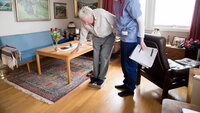
A large proportion of the residents at nursing homes did not receive a medication review when they were admitted, despite this being a statutory requirement.
Mothers who engaged with the ‘New families’ home visit programme, had more frequent contact with child health centres. But more than a third of all the mothers reported that they had received inadequate information from public authorities about the child health centre’s services.
Weight is one of the simplest measurements of nutritional status. Nevertheless, a number of personnel in the community nursing services lack knowledge about nutrition and good routines for weighing patients.
Residents with pain suffered from several health issues and presented with physical as well as mental symptoms. Healthcare personnel can help by providing more effective and appropriate treatment and nursing care.
The infection control measures may have impacted negatively on the breastfeeding assistance provided for first-time mothers in postnatal facilities. There was also a greater reliance on breast-milk substitutes than normal.
Public health nurses consider themselves to be adept at finding and assessing national guidelines, but feel less proficient at assessing research-based knowledge.
Some problems with PIVCs increased during the pandemic, such as the occurrence of purulence and loose dressings.
Social media can trigger both positive and negative emotions, depending on whether women compare themselves with idealised or realistic body types.
Many medical records lacked information about nutritional risk, and few patients at nutritional risk were followed up.
Health personnel are instructed to register cardiac arrests in The Norwegian Cardiac Arrest Registry. Still, only one in three patients with cardiac arrest in the intesive care ward is registered.