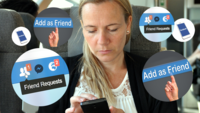
Accept or decline? Nurses and patients as Facebook friends
All the nurses in the study had received friend requests from patients. They had different, and sometimes conflicting, attitudes to contact with patients on Facebook.
All the nurses in the study had received friend requests from patients. They had different, and sometimes conflicting, attitudes to contact with patients on Facebook.
The experiences gained during a student exchange in Tanzania have subsequently had a major impact on the nurses’ personal and professional development.
Recruitment to the Cardiac Rehabilitation Programme seems to be somewhat random and ‘the main concern is to get the patients on the list’. Health professionals should communicate better among themselves and prepare guidelines for recruitment.
Establishing an individual care plan at an early stage of palliative care gives relatives hope and support. They also feel seen and their burden of responsibility is lessened.
Nurses’ psychosocial challenges are transformed into something private and personal instead of being solved at an overarching level in the organisation.
There is no difference in functional disability between women and men after having a stroke.
The registered nurses found that the ISBAR communication tool improves the treatment and safety of patients in ICU and on general hospital wards by ensuring that transfer reports are made more standardised and time-efficient.
Different perspectives on what to prioritise, characterise the cooperation.
Video communication technology used in the context of reablement / telerehabilitation can facilitate access to nursing staff in a municipality, and enable users to stay at home longer.
The postnatal period is a vulnerable time that involves reorientation and new experiences. Early visits by a midwife may therefore help enhance the women’s perception of coping.