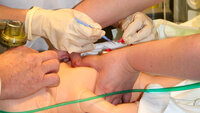
Simulation-based team training in paediatric units
Simulation-based team training improves quality of patient care, but the training should be a planned activity.
Simulation-based team training improves quality of patient care, but the training should be a planned activity.
People with early stage dementia can have different insights into their disease, and their motivation to participate in conversations with therapists can vary. A manual-based intervention can help find a relevant goal for the therapy based on the person’s circumstances.
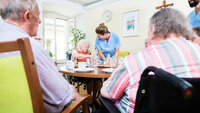
At the University of Tromsø, first year students in nursing homes are supervised by final year students in order to strengthen their occupational competence in nursing leadership.
The students gain an increased understanding of cultural differences by maintaining an open attitude and receiving explanations of cultural differences that they do not understand.
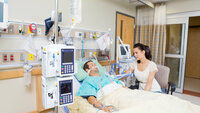
A calm atmosphere with single rooms, flexible visiting hours and trust in the healthcare personnel can help the family members to serve as a resource for heart surgery patients with a prolonged stay in intensive care.
Recruitment to the Cardiac Rehabilitation Programme seems to be somewhat random and ‘the main concern is to get the patients on the list’. Health professionals should communicate better among themselves and prepare guidelines for recruitment.
Different perspectives on what to prioritise, characterise the cooperation.
Weight is one of the simplest measurements of nutritional status. Nevertheless, a number of personnel in the community nursing services lack knowledge about nutrition and good routines for weighing patients.
A successful kidney-pancreas transplantation improves and stabilises patients’ daily lives. It also brings with it new elements of uncertainty that are important to convey to the patient.
Makten og avmakten som ligger i rollene der legen er ekspert og pasienten hjelpetrengende, påvirker kommunikasjonen og samhandlingen under legevisitten.