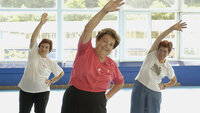
Are group-based self-management programmes suitable for all patients with type 2 diabetes?
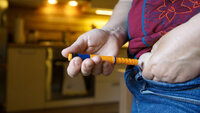
Group-based self-management programmes make it easier to cope with the disease. However, half of all patients decline to participate in such programmes.
Group-based self-management programmes make it easier to cope with the disease. However, half of all patients decline to participate in such programmes.
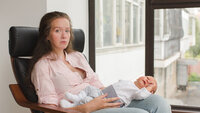
Teenage children’s diabetes diagnoses are an enormous emotional strain on mothers. They need support from healthcare personnel to cope with the stressful situation.
Healthcare personnel in interdisciplinary teams believed that registered nurses made a distinct and recognised contribution to the collaborative effort. In particular, they valued the registered nurses’ somatic knowledge and their milieu therapy expertise.
On returning home from their clinical placement in southern Africa, the nursing students missed having someone to share their intense experiences with.
When public health nurses use the EPDS screening tool in addition to their gut feeling and clinical judgment, they identify more mothers who need help.
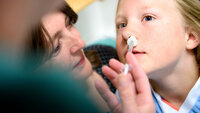
Anaesthetic nurses found that the children were easier to wake preoperatively and that their awakenings were calmer and less painful.
It may be beneficial to screen at-risk individuals for depressive symptoms and recognise that they may need more support from healthcare personnel.
Anaesthesiology and intensive care nursing are regarded as practice-oriented professions. Can a master’s degree provide an equally high level of skill and theoretical knowledge as specialist training?
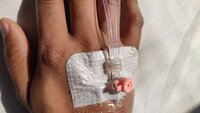
Some problems with PIVCs increased during the pandemic, such as the occurrence of purulence and loose dressings.
De-escalation training improved students’ de-escalation skills and boosted their confidence in coping with patient aggression.