Skal vi holde på gode medarbeidere, må vi investere i dem
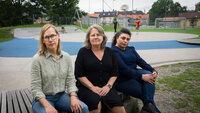
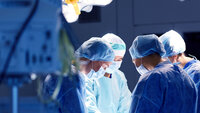
Faglig engasjement, arbeidsglede og tett oppfølging av nyansatte har bidratt til det gode arbeidsmiljøet på transplantasjonskirurgisk sengepost ved Oslo universitetssykehus.
Faglig engasjement, arbeidsglede og tett oppfølging av nyansatte har bidratt til det gode arbeidsmiljøet på transplantasjonskirurgisk sengepost ved Oslo universitetssykehus.
Under pandemien har dagaktivitetstilbud og sammenkomster for eldre vært avlyst og stengt. Eldre er blitt mer ensomme og isolerte, og belastningen på de pårørende har økt.
For pasienter med kronisk utmattelsessyndrom kan fysisk oppmøte på lærings- og mestringskurs være anstrengende. Nettkurs kan være et godt alternativ.
Sykepleiere på akuttmottak kan oppdage sepsis tidligere ved å bruke skåringsverktøy og kommunikasjonsverktøy. Da kan de sette i gang tiltak for å forebygge septisk sjokk.
Tidevannsmodellen viser hvordan sykepleiere kan gi god sykepleie til pasienter som har psykiske lidelser, og hjelpe dem til å finne konstruktive måter å løse livets utfordringer på.
Alle som har pasientkontakt, har et ansvar for pasientens seksuelle helse. PLISSIT-modellen kan hjelpe til å åpne opp for og invitere til samtale om temaet.
Sykepleietiltak for spedbarn med pylorusstenose varierte tidligere med hvilket helsepersonell som var på vakt. En ny fagprosedyre kan øke kvaliteten på sykepleien for denne gruppen.
Læreboken Grunnleggende sykepleie beveger sykepleiefaget mot fenomenologien. Denne filosofiske driften knyttes ukritisk til tradisjonelle dikotomier hentet fra filosofi og vitenskapsteori.
Sykepleiere kan skape et inkluderende miljø for LHBT+-pasienter ved å skaffe seg kunnskap om deres behov og støtte dem i å være åpne.
– Vi føler oss faglig alene, sier helsesykepleiere i Drammen. Ny organisering, tverrfaglig ledelse og en omdiskutert lønnspolitikk skaper misnøye.