Health education competence, self-management
A systematic literature review shows that six competence areas play a key role in enabling health personnel to give patients and service users good outcomes from self-management programmes.
Student assistants taught the students in small groups and helped them to gain a better understanding of the subject content and inspired them to learn.
Most community-dwelling older adults had a high function level. However, those with mild cognitive impairment had a significantly poorer grip strength and slower walking speed, and had taken fewer steps.
The model helped to ensure that work placement supervisors were better prepared to welcome students, and this strengthened the quality of learning. However, this requires management support, as well as planning and professional resources.
Healthcare personnel can make decisions about the admission basis and treatment needs or hold care coordination meetings with the service user, and the community mental health centre and municipalities can establish accountability or negotiate responsibility, and determine which measures to implement.
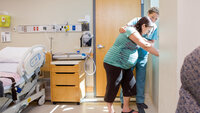
Quality improvement measures led to midwives reducing the use of cardiotocography (CTG) on admission by 47 per cent. Nevertheless, they continued to use CTG more often than necessary.
Anaesthesiology and intensive care nursing are regarded as practice-oriented professions. Can a master’s degree provide an equally high level of skill and theoretical knowledge as specialist training?
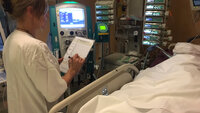
A calm atmosphere with single rooms, flexible visiting hours and trust in the healthcare personnel can help the family members to serve as a resource for heart surgery patients with a prolonged stay in intensive care.