Screening of nutritional risk among older persons
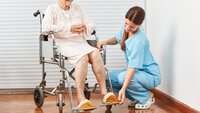
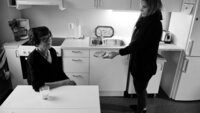
30–60 per cent of older adults in hospitals and nursing homes are malnourished. A well-suited screening tool is to detect the persons who are at risk of malnutrition.
30–60 per cent of older adults in hospitals and nursing homes are malnourished. A well-suited screening tool is to detect the persons who are at risk of malnutrition.
RNs in the primary healthcare service showed that they can be highly adaptable in a crisis. Preparedness, infection control plans and support in their daily work were critical to how well they dealt with the pandemic.
It will be more difficult to observe patients and perform clinical assessments. Nor do all patients have sufficiently good digital skills or adequate health literacy.
The ALERT training programme raised the competence level of healthcare personnel in the municipal health service and is likely to have increased their job satisfaction.
Healthcare personnel who work with parents who are mentally ill or have substance abuse problems are uncertain about their role. The support that the children receive can therefore be haphazard.
New reforms and time-consuming tasks such as cleaning, preparing food and poor ICT solutions mean that nurses give less priority to safety measures in connection with medication management.
The method seems to be especially efficient for patients experiencing high initial pain intensities.
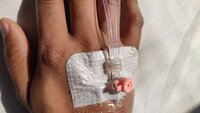
Some problems with PIVCs increased during the pandemic, such as the occurrence of purulence and loose dressings.
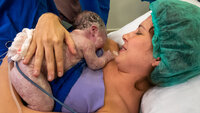
Most women in labour with intrapartum fever receive the correct treatment on suspicion of infection. But in 28 per cent of cases, antibiotic therapy is initiated unnecessarily or too early.
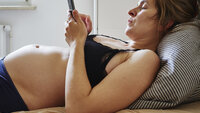
Social media can trigger both positive and negative emotions, depending on whether women compare themselves with idealised or realistic body types.