New app can give nutritional support to home-dwelling elderly
The recently developed app APPETITT can inspire to a varied diet and increase the attention to dietary habits for home-dwelling elderly.
The recently developed app APPETITT can inspire to a varied diet and increase the attention to dietary habits for home-dwelling elderly.
Some nurses say nothing about the problem of smell in order to protect the service user. However, the silence of the nurses reinforces shame and loneliness.
At the University of Tromsø, first year students in nursing homes are supervised by final year students in order to strengthen their occupational competence in nursing leadership.
Helath personnel can learn from the pain team when they have pharmacology-related questions and are drawing up treatment plans, and when they are establishing open and trusting relations with the patient.
Body temperature was measured differently and the routines were not the same. Provision should be made for a practice ensuring that staff have the necessary equipment and time to prevent inadvertent perioperative hypothermia.
The study suggests that if evidence-based practice is taught systematically, it affects the students' learning outcome.
Nurses report that the end-of-life nursing care provided in nursing homes calls on staff to provide “more of everything”, and that nurses feel they are “left to deal with everything on their own”. This situation must be taken seriously, organisationally and policywise.
They observe eye contact, comforting and other behaviours based on experience rather than by making use of recognised instruments. Their assessments are influenced by professional development opportunities, a heavy workload and interdisciplinary collaboration.
All the nurses in the study had received friend requests from patients. They had different, and sometimes conflicting, attitudes to contact with patients on Facebook.
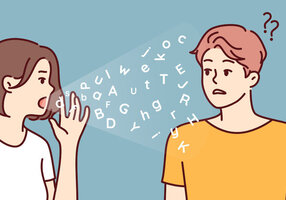
Healthcare personnel need more knowledge regarding hearing loss and communication with deaf people. In addition, some healthcare personnel have negative attitudes towards this patient group.