Verktøy ved screening av risiko for underernæring hos eldre
30–60 prosent av eldre på sykehus og sykehjem er underernærte. Et egnet screeningverktøy skal oppdage de personene som er i risiko for underernæring.
30–60 prosent av eldre på sykehus og sykehjem er underernærte. Et egnet screeningverktøy skal oppdage de personene som er i risiko for underernæring.
Pårørende ønsker å være en ressurs, men trenger å få relevant informasjon og involveres som sentrale samarbeidspartnere.
Nye reformer og tidstyver som rengjøring, matlaging og dårlige IKT-løsninger fører til at sykepleiere nedprioriterer sikkerhetstiltak knyttet til legemiddelbehandling.
Norwegian health care personnel find the systematic follow-up of care pathways and the collaboration with the primary health service to be poorer than other organizational areas.
Mothers who engaged with the ‘New families’ home visit programme, had more frequent contact with child health centres. But more than a third of all the mothers reported that they had received inadequate information from public authorities about the child health centre’s services.
The registered nurses found that the ISBAR communication tool improves the treatment and safety of patients in ICU and on general hospital wards by ensuring that transfer reports are made more standardised and time-efficient.
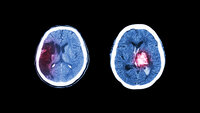
When nurses and healthcare personnel are able to identify which patients are particularly at risk of post-stroke fatigue, patients can be given the appropriate follow-up at the right time.
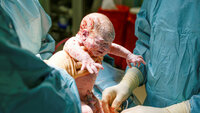
Women who had given birth by caesarean section often downplayed their own complaints, felt left to their own devices and received invaluable assistance from their partner.
30–60 per cent of older adults in hospitals and nursing homes are malnourished. A well-suited screening tool is to detect the persons who are at risk of malnutrition.
Patients undergoing gynaecological laparoscopies and anorectal procedures suffered the most nausea, while those who underwent major breast cancer surgery experienced the least nausea.