Co-ordinated collaborative meetings as patients transition from the psychogeriatric health service
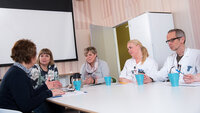
Collaborative interdisciplinary meetings may increase the mutual respect between health professionals and provide more knowledge about the patient.
Collaborative interdisciplinary meetings may increase the mutual respect between health professionals and provide more knowledge about the patient.
Fatigue, dry mouth and loss of appetite are the most distressing symptoms, according to a screening with the ESAS tool.
Following the introduction of the Coordination Reform, nurses employed by the municipal health service have had to deal with a growing number of complex, patient-focused tasks. The need for professional development is considerable, but there is no overall strategy in place.
Women who had given birth by caesarean section often downplayed their own complaints, felt left to their own devices and received invaluable assistance from their partner.
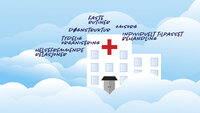
Patients dream of a living space with a predictable daily structure and clear organisation, where they receive individually tailored care and treatment, and where healthcare personnel enter into health-promoting relationships with them.
Registered nurses taking a master’s degree and/or a postgraduate programme acquired relevant knowledge that they could use in their daily work in order to assist patients in the decision-making process.
There was no correlation between the total score for frailty measured by Share-FI and cognitive tests.
Heart disease increases the risk of depression. How can we best identify depressed cardiac patients?
Following the Care Coordination Reform, more frail elderly patients have died after discharge from hospitals to nursing homes and more have been discharged to return home.
They should be on the lookout for risk factors such as functional impairment, loneliness, changing roles and the feeling of being a burden.