Effects of de-escalation training on student nurses' skills and confidence
De-escalation training improved students’ de-escalation skills and boosted their confidence in coping with patient aggression.
De-escalation training improved students’ de-escalation skills and boosted their confidence in coping with patient aggression.
The scales IC-RDOS and MV-RDOS had ‘very good‘ inter-rater reliability.
Makten og avmakten som ligger i rollene der legen er ekspert og pasienten hjelpetrengende, påvirker kommunikasjonen og samhandlingen under legevisitten.
The out-of-hours doctor did not receive formal patient information in at least half of the doctor’s visits to nursing homes in Oslo. This may subject the patients to inappropriate treatment and unnecessary hospitalisation.
When staff in the child health clinic and school health services tell parents that their child is overweight, many feel both a sense of shame and guilt.
They no longer need to always be looking for their next fix and have more time and money. Even though the treatment programme is challenging, they feel a greater sense of freedom.
The women in this study wanted information and confirmation that their pregnancy was progressing normally in the first trimester. For them, a private ultrasound examination was a good investment.
At the University of Tromsø, first year students in nursing homes are supervised by final year students in order to strengthen their occupational competence in nursing leadership.
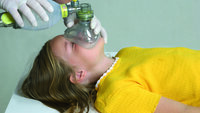
The study’s informants were particularly apprehensive about critical emergencies and unsure how to use medical equipment such as bag valve masks.
Some nurses say nothing about the problem of smell in order to protect the service user. However, the silence of the nurses reinforces shame and loneliness.