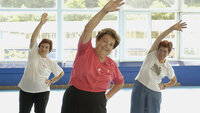
Are group-based self-management programmes suitable for all patients with type 2 diabetes?
Group-based self-management programmes make it easier to cope with the disease. However, half of all patients decline to participate in such programmes.
Group-based self-management programmes make it easier to cope with the disease. However, half of all patients decline to participate in such programmes.
It is challenging for community nurses to screen their patients’ nutritional risk because the guidelines fail to take sufficient account of the domestic arena.
Many were redeployed to basic nursing roles and ancillary functions.
Healthcare personnel found it challenging to judge what was in the child’s best interest. The child’s right to autonomy and involvement was often not heeded, and the child was rarely included in the decision-making process.
Many medical records lacked information about nutritional risk, and few patients at nutritional risk were followed up.
Measures such as the ‘getting-to-know-you’ day, the ‘float nurse’ function at an early stage, group meetings and internal training greatly benefitted supervisors and students at Oslo University Hospital.
By adopting a new supervision model, nurse managers acquired more positive attitudes towards students and started paying more attention to nursing issues.
Seriously ill patients require more medical-technical assistance and care. More nurses should have the opportunity to study Advanced Clinical Practice.
Family caregivers will need correct and relevant information and support from health care professionals to perform the significant caring role they have to take on.
When staff in the child health clinic and school health services tell parents that their child is overweight, many feel both a sense of shame and guilt.