Effects of de-escalation training on student nurses' skills and confidence
De-escalation training improved students’ de-escalation skills and boosted their confidence in coping with patient aggression.
De-escalation training improved students’ de-escalation skills and boosted their confidence in coping with patient aggression.
Health personnel are instructed to register cardiac arrests in The Norwegian Cardiac Arrest Registry. Still, only one in three patients with cardiac arrest in the intesive care ward is registered.
Women who have experienced sexual coercion have normally been subjected to other forms of violence, such as acts of dominance and isolation, or emotional, verbal or physical abuse.
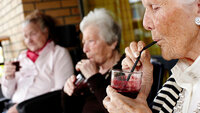
Health personnel find that high-energy smoothies do not always have the intended effect. Some patients become obstipated or nauseous, and undernourished patients do not gain weight.
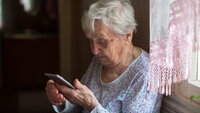
Almost 84% of people over the age of 70 used a computer, smartphone or tablet to maintain contact with their friends and social networks. Only 8% used these media to contact healthcare personnel.
It is an ordeal to be diagnosed with and treated for testicular cancer. Various resources can help patients to handle the difficult situation more easily.
The Norwegian translation is appropriate for exploring postoperative symptoms in patients following day surgery. The language, instructions and scoring are comprehensible as well.
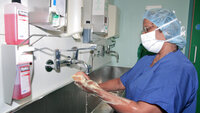
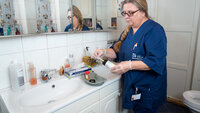
Scrub nurses were better than surgeons at following the recommended length of time and techniques for surgical hand washing and hand antisepsis.
Seriously ill patients require more medical-technical assistance and care. More nurses should have the opportunity to study Advanced Clinical Practice.
Differences in the level of knowledge and unreliable equipment make it difficult for health personnel in the home health care services to discover and diagnose urinary tract infection. We need national guidelines for the collection of urine samples and the use of urine dipsticks in the home care services.