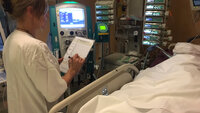
The CPOT – a tool for pain assessment for intensive care patients
Intensive care patients often suffer from undertreated pain. A pain assessment tool in a Norwegian version may increase the quality of patient treatment.
Intensive care patients often suffer from undertreated pain. A pain assessment tool in a Norwegian version may increase the quality of patient treatment.
Weight is one of the simplest measurements of nutritional status. Nevertheless, a number of personnel in the community nursing services lack knowledge about nutrition and good routines for weighing patients.
Surgical departments and educational institutions lack an organisational structure and culture that supports evidence-based practice. This may affect patient safety.
Nurses with Norwegian as their mother tongue use a larger, and more nuanced repertoire in handover reports than those with Norwegian as a second language. However, they document numerical information in almost the same way.
The registered nurses who participated in the ‘Four Habits Model’ communication skills course became more aware of asking open-ended questions, actively listening and structuring their conversations with patients.
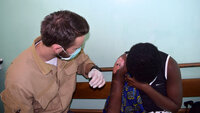
On returning home from their clinical placement in southern Africa, the nursing students missed having someone to share their intense experiences with.
Whereas «PLO»-messages serve as a beneficial communication tool, they have to be supplemented with oral communication and meetings.
Healthcare personnel find that they are better equipped to receive and treat trauma patients after taking the Course in Trauma Nursing.
Quality improvement measures led to midwives reducing the use of cardiotocography (CTG) on admission by 47 per cent. Nevertheless, they continued to use CTG more often than necessary.
Although there are procedures for medication reconciliation, the process is challenging to implement and the allocation of responsibility is unclear.