Student assistants contribute to learning in anatomy, physiology and biochemistry
Student assistants taught the students in small groups and helped them to gain a better understanding of the subject content and inspired them to learn.
Student assistants taught the students in small groups and helped them to gain a better understanding of the subject content and inspired them to learn.
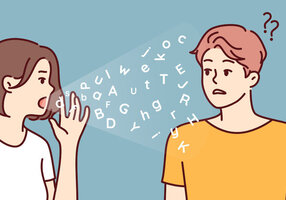
The registered nurses who participated in the ‘Four Habits Model’ communication skills course became more aware of asking open-ended questions, actively listening and structuring their conversations with patients.
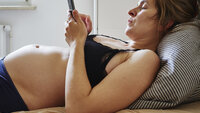
Social media can trigger both positive and negative emotions, depending on whether women compare themselves with idealised or realistic body types.
More families had daily access to doctors during the pandemic than before the pandemic. But the nurses were involved in fewer conversations.
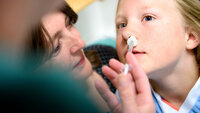
Anaesthetic nurses found that the children were easier to wake preoperatively and that their awakenings were calmer and less painful.
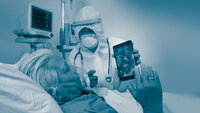
Patients and their caregivers experience less anxiety and worry. Healthcare personnel also had positive experiences with the telemedicine service.
The current practice of using oxygen therapy has proven to be incomplete.
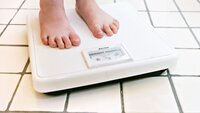
When staff in the child health clinic and school health services tell parents that their child is overweight, many feel both a sense of shame and guilt.
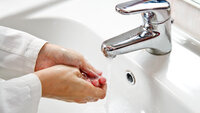
Interventions such as reminders, direct observations and hand hygiene facilitation lead to fewer outbreaks.
Nurses can experience moral stress and feel a sense of shame when they are torn between a patient’s needs and the requirements of the treatment system. Ethical reflection in supervision can help.