Parenteral nutrition at the end of life
Registered nurses and doctors should base their assessments of whether to stop parenteral nutrition on inter-disciplinary collaboration and competencies, with particular emphasis on experience-based knowledge.
Registered nurses and doctors should base their assessments of whether to stop parenteral nutrition on inter-disciplinary collaboration and competencies, with particular emphasis on experience-based knowledge.
Belonging to a team, flexibility and good systems for next-of-kin involvement create motivation.
When public health nurses use the EPDS screening tool in addition to their gut feeling and clinical judgment, they identify more mothers who need help.
More knowledge of the symptoms of delirium in this vulnerable patient group may lead to a better neurological outcome and prevent unnecessary testing, shorten hospital stays and lower mortality.
There was no correlation between the total score for frailty measured by Share-FI and cognitive tests.
Heart disease increases the risk of depression. How can we best identify depressed cardiac patients?
They believe that they have their highest level of competence within the competence area ‘Value-based nursing care’.
A care discourse, aimed at the patient’s needs, was prominent in the evaluation and assessment notes. The treatment plans reflected a problem-focused discourse, where only problems were recorded.
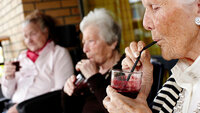
Health personnel find that high-energy smoothies do not always have the intended effect. Some patients become obstipated or nauseous, and undernourished patients do not gain weight.
When staff in the child health clinic and school health services tell parents that their child is overweight, many feel both a sense of shame and guilt.