Sykepleieres vurderinger av kurset «Fire gode vaner» – en tverrsnittsstudie
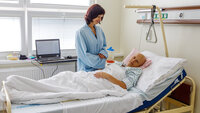
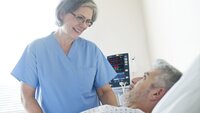
Sykepleierne som deltok på kommunikasjonskurset «Fire gode vaner», ble mer bevisst på å stille åpne spørsmål, lytte aktivt og strukturere samtalene med pasientene.
Sykepleierne som deltok på kommunikasjonskurset «Fire gode vaner», ble mer bevisst på å stille åpne spørsmål, lytte aktivt og strukturere samtalene med pasientene.
Registered nurses and doctors should base their assessments of whether to stop parenteral nutrition on inter-disciplinary collaboration and competencies, with particular emphasis on experience-based knowledge.
Guidelines that were not regarded as professionally sound, logical and relevant or in keeping with one’s own clinical experiences or feelings were more difficult to follow.
Healthcare personnel, the police and the fire and rescue service, as well as voluntary groups, felt that they were supported by management, worked well together and shared a sense of pride in their efforts.
While the illness is potentially life-threatening, it is invisible and not well known. Consequently, patients may be mistrusted and ignored, and they may feel inferior, vulnerable and insecure.
Differences in the level of knowledge and unreliable equipment make it difficult for health personnel in the home health care services to discover and diagnose urinary tract infection. We need national guidelines for the collection of urine samples and the use of urine dipsticks in the home care services.
Body temperature was measured differently and the routines were not the same. Provision should be made for a practice ensuring that staff have the necessary equipment and time to prevent inadvertent perioperative hypothermia.
The bereaved felt that they maintained a bond with their deceased family member through diaries that had been kept for the patients during their stay in ICU. The diaries also helped impart structure on a chaotic time and made it easier for the bereaved to vent their feelings.
Course participants learn to shift their attention from disease to health, from a critical to an accepting attitude about themselves, and from despair to hope and belief in their own ability to cope.
Simulation based communication courses can give improved communication skills and increased understanding of how the communication model may be used.