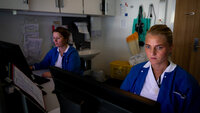
Nurses’ experiences with remote patient monitoring for cancer patients
The RPM tool is flexible for both nurses and patients and can have a positive impact on the relationship. But it can also cause extra work.
The RPM tool is flexible for both nurses and patients and can have a positive impact on the relationship. But it can also cause extra work.
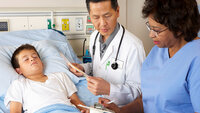
PEWS promotes a systematic approach to monitoring and better communication in paediatric departments, but there is a need to follow up and improve guidelines and quality-assurance activities.
At the University of Tromsø, first year students in nursing homes are supervised by final year students in order to strengthen their occupational competence in nursing leadership.
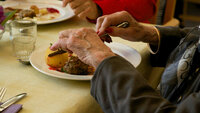
For nurses to be able to attend to their patients’ nutritional status in the best possible way, they need a regular nursing home doctor who knows the nutritional wishes and needs of individual patients.
Nursing homes have had better routines, training of personnel, and access to testing and PPE during the coronavirus pandemic than the picture painted in the media.
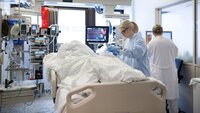
The registered nurses found that the ISBAR communication tool improves the treatment and safety of patients in ICU and on general hospital wards by ensuring that transfer reports are made more standardised and time-efficient.
Readmitted patients are older, but their mortality rate is almost equal to that of non-readmitted patients. Patients readmitted within 72 hours are more likely to have an incomplete written transfer report.
Fatigue, dry mouth and loss of appetite are the most distressing symptoms, according to a screening with the ESAS tool.
30–60 per cent of older adults in hospitals and nursing homes are malnourished. A well-suited screening tool is to detect the persons who are at risk of malnutrition.
The purpose of reporting adverse incidents is not to point to scapegoats, but to increase patient safety. Nevertheless, many professionals fail to report unwanted incidents, a study shows.