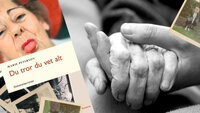
A daughter’s experience when her mother is struck by dementia
Healthcare personnel who interact with patients and their families can learn from the families’ experiences when a loved one is affected by dementia.
Healthcare personnel who interact with patients and their families can learn from the families’ experiences when a loved one is affected by dementia.
A successful kidney-pancreas transplantation improves and stabilises patients’ daily lives. It also brings with it new elements of uncertainty that are important to convey to the patient.
It is an ordeal to be diagnosed with and treated for testicular cancer. Various resources can help patients to handle the difficult situation more easily.
Practice supervisors are of the opinion that the students need specially adapted arrangements for hospital work placements in order to complete their education.
Healthcare personnel should treat obese people with openness and without prejudice. By doing so, they can help them develop a resistance to shame.
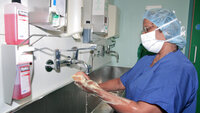
Scrub nurses were better than surgeons at following the recommended length of time and techniques for surgical hand washing and hand antisepsis.
People with early stage dementia can have different insights into their disease, and their motivation to participate in conversations with therapists can vary. A manual-based intervention can help find a relevant goal for the therapy based on the person’s circumstances.
The organisational form results in RNs working in greater isolation, and this may mean that their professional competence stagnates. The parents become the experts on the child – not the RNs.
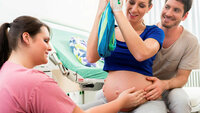
The father’s role has changed, and fathers have become more active as regards childcare. Nevertheless, they may feel excluded during pregnancy, childbirth and follow-up at the child health centre.
The students gain an increased understanding of cultural differences by maintaining an open attitude and receiving explanations of cultural differences that they do not understand.