What impact did a student exchange have on participating nurses in the longer term?
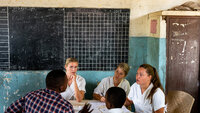
The experiences gained during a student exchange in Tanzania have subsequently had a major impact on the nurses’ personal and professional development.
The experiences gained during a student exchange in Tanzania have subsequently had a major impact on the nurses’ personal and professional development.
Mothers who engaged with the ‘New families’ home visit programme, had more frequent contact with child health centres. But more than a third of all the mothers reported that they had received inadequate information from public authorities about the child health centre’s services.
Recruitment to the Cardiac Rehabilitation Programme seems to be somewhat random and ‘the main concern is to get the patients on the list’. Health professionals should communicate better among themselves and prepare guidelines for recruitment.
The registered nurses who participated in the ‘Four Habits Model’ communication skills course became more aware of asking open-ended questions, actively listening and structuring their conversations with patients.
Whereas «PLO»-messages serve as a beneficial communication tool, they have to be supplemented with oral communication and meetings.
With the use of multidose electronic prescriptions, sources of error linked to paper-based solutions have been eradicated. However, it is still challenging to achieve optimal handling of medication.
The model helped to ensure that work placement supervisors were better prepared to welcome students, and this strengthened the quality of learning. However, this requires management support, as well as planning and professional resources.
Guided Self-Determination (GSD) can help improve the counselling skills of registered nurses. It can also encourage patients to reflect on their own communication skills.
More knowledge of the symptoms of delirium in this vulnerable patient group may lead to a better neurological outcome and prevent unnecessary testing, shorten hospital stays and lower mortality.
Differences in the level of knowledge and unreliable equipment make it difficult for health personnel in the home health care services to discover and diagnose urinary tract infection. We need national guidelines for the collection of urine samples and the use of urine dipsticks in the home care services.