How nurses and service users deal with malodour in the home
Some nurses say nothing about the problem of smell in order to protect the service user. However, the silence of the nurses reinforces shame and loneliness.
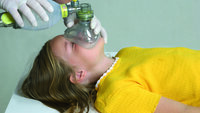
The study’s informants were particularly apprehensive about critical emergencies and unsure how to use medical equipment such as bag valve masks.
Diabetes specialist nurses have a strong feeling of responsibility for the patient and find it challenging to keep up to date with all the functions of some of the insulin pumps.
People with early stage dementia can have different insights into their disease, and their motivation to participate in conversations with therapists can vary. A manual-based intervention can help find a relevant goal for the therapy based on the person’s circumstances.

The translated NIHSS form and guide remain true to the English version and are harmonised with the non-validated Norwegian version.
It is challenging to treat children in a general intensive care unit intended for adults. Good training, good cooperation, and fulfilling children’s needs are valuable measures.
Healthcare personnel found it challenging to judge what was in the child’s best interest. The child’s right to autonomy and involvement was often not heeded, and the child was rarely included in the decision-making process.
Participation in cancer and palliative care networks increased the registered nurses’ competence. Staff exchange training schemes and frequent participation in clinical practice days were also highly beneficial.
Nurses’ psychosocial challenges are transformed into something private and personal instead of being solved at an overarching level in the organisation.
Fatigue, dry mouth and loss of appetite are the most distressing symptoms, according to a screening with the ESAS tool.