How to ensure safe and appropriate medication management
Nurses, social educators and pharmacists have reached a consensus on 77 standards for best practice in medication management in the nursing and care service.
Differences in the level of knowledge and unreliable equipment make it difficult for health personnel in the home health care services to discover and diagnose urinary tract infection. We need national guidelines for the collection of urine samples and the use of urine dipsticks in the home care services.
Nurses can experience moral stress and feel a sense of shame when they are torn between a patient’s needs and the requirements of the treatment system. Ethical reflection in supervision can help.
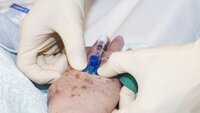
It can be almost impossible to insert a needle in the case of some patients. Moreover, registered nurses have many work tasks to carry out at the same time in different places, and this can reduce concentration.
Most women in labour with intrapartum fever receive the correct treatment on suspicion of infection. But in 28 per cent of cases, antibiotic therapy is initiated unnecessarily or too early.
Only one guideline detailed a practical and systematic set-up of instrument tables.
Group-based self-management programmes make it easier to cope with the disease. However, half of all patients decline to participate in such programmes.
It is challenging for community nurses to screen their patients’ nutritional risk because the guidelines fail to take sufficient account of the domestic arena.
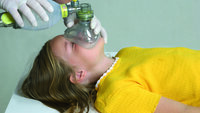
The current practice of using oxygen therapy has proven to be incomplete.
PEWS promotes a systematic approach to monitoring and better communication in paediatric departments, but there is a need to follow up and improve guidelines and quality-assurance activities.