Evidence-based practice in nursing education
The study suggests that if evidence-based practice is taught systematically, it affects the students' learning outcome.
The study suggests that if evidence-based practice is taught systematically, it affects the students' learning outcome.
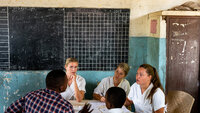
The experiences gained during a student exchange in Tanzania have subsequently had a major impact on the nurses’ personal and professional development.
Close relatives help patients to live at home longer and are an important resource for the welfare state. But they can also contribute to an unfair allocation of nursing home beds by advocating for their own family members.
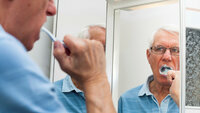
Inadequate post-stroke follow-up of dental health led to reduced oral health and loss of teeth. Better interdisciplinary follow-up could probably have prevented it.
They observe eye contact, comforting and other behaviours based on experience rather than by making use of recognised instruments. Their assessments are influenced by professional development opportunities, a heavy workload and interdisciplinary collaboration.
Interventions such as reminders, direct observations and hand hygiene facilitation lead to fewer outbreaks.
Healthcare personnel in interdisciplinary teams believed that registered nurses made a distinct and recognised contribution to the collaborative effort. In particular, they valued the registered nurses’ somatic knowledge and their milieu therapy expertise.
Recruitment to the Cardiac Rehabilitation Programme seems to be somewhat random and ‘the main concern is to get the patients on the list’. Health professionals should communicate better among themselves and prepare guidelines for recruitment.
Sykepleiere med master i anestesi- og intensivsykepleie vil styrke helseteamets samlede kompetanse og bidra til økt pasientsikkerhet.
Participation in cancer and palliative care networks increased the registered nurses’ competence. Staff exchange training schemes and frequent participation in clinical practice days were also highly beneficial.