Effects of de-escalation training on student nurses' skills and confidence
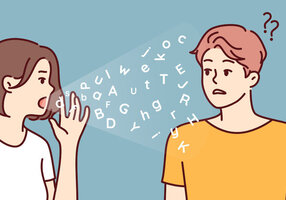
De-escalation training improved students’ de-escalation skills and boosted their confidence in coping with patient aggression.
Many medical records lacked information about nutritional risk, and few patients at nutritional risk were followed up.
The RPM tool is flexible for both nurses and patients and can have a positive impact on the relationship. But it can also cause extra work.
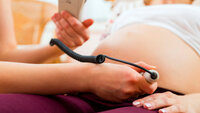
Many midwives do not feel confident in using fetal stethoscopes. A mobile app that displays the heart rate makes them feel more confident when it is used together with the stethoscope.
Only one guideline detailed a practical and systematic set-up of instrument tables.
Guidelines that were not regarded as professionally sound, logical and relevant or in keeping with one’s own clinical experiences or feelings were more difficult to follow.
The study’s informants were particularly apprehensive about critical emergencies and unsure how to use medical equipment such as bag valve masks.
Differences in the level of knowledge and unreliable equipment make it difficult for health personnel in the home health care services to discover and diagnose urinary tract infection. We need national guidelines for the collection of urine samples and the use of urine dipsticks in the home care services.
Nurses can experience moral stress and feel a sense of shame when they are torn between a patient’s needs and the requirements of the treatment system. Ethical reflection in supervision can help.
It is challenging to treat children in a general intensive care unit intended for adults. Good training, good cooperation, and fulfilling children’s needs are valuable measures.