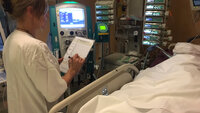
The CPOT – a tool for pain assessment for intensive care patients
Intensive care patients often suffer from undertreated pain. A pain assessment tool in a Norwegian version may increase the quality of patient treatment.
Intensive care patients often suffer from undertreated pain. A pain assessment tool in a Norwegian version may increase the quality of patient treatment.
Patients dream of a living space with a predictable daily structure and clear organisation, where they receive individually tailored care and treatment, and where healthcare personnel enter into health-promoting relationships with them.
Nurses are better at using their professional knowledge and applying research in their work following postgraduate study in evidence-based practice (EBP). Their belief in the value of such work also increases.
Family caregivers will need correct and relevant information and support from health care professionals to perform the significant caring role they have to take on.
Quality improvement measures led to midwives reducing the use of cardiotocography (CTG) on admission by 47 per cent. Nevertheless, they continued to use CTG more often than necessary.
Healthcare personnel can make decisions about the admission basis and treatment needs or hold care coordination meetings with the service user, and the community mental health centre and municipalities can establish accountability or negotiate responsibility, and determine which measures to implement.
In order to identify children who need a referral to a speech therapist, public health nurses must pay attention to repetitions, blocks and prolongations in the child’s speech.
People with genetic aortopathies should be given information on their diagnosis and support to find safe, enjoyable activities. Many also need psychosocial support.
The registered nurses demonstrated a higher level of competence than the nursing associates and healthcare assistants. However, scores were too low in all three groups in response to emergency scenarios.
More knowledge of the symptoms of delirium in this vulnerable patient group may lead to a better neurological outcome and prevent unnecessary testing, shorten hospital stays and lower mortality.