Incident reporting – a difficult balancing act
The purpose of reporting adverse incidents is not to point to scapegoats, but to increase patient safety. Nevertheless, many professionals fail to report unwanted incidents, a study shows.
The purpose of reporting adverse incidents is not to point to scapegoats, but to increase patient safety. Nevertheless, many professionals fail to report unwanted incidents, a study shows.
The experiences gained during a student exchange in Tanzania have subsequently had a major impact on the nurses’ personal and professional development.
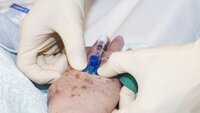
It can be almost impossible to insert a needle in the case of some patients. Moreover, registered nurses have many work tasks to carry out at the same time in different places, and this can reduce concentration.
Diabetes specialist nurses have a strong feeling of responsibility for the patient and find it challenging to keep up to date with all the functions of some of the insulin pumps.
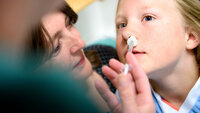
Anaesthetic nurses found that the children were easier to wake preoperatively and that their awakenings were calmer and less painful.
Despite staff calling patients prior to the admission date, the proportion who presented for treatment did not increase. Nevertheless, it was a useful exercise for exchanging information and building relations.
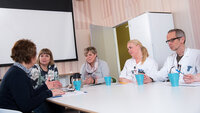
Collaborative interdisciplinary meetings may increase the mutual respect between health professionals and provide more knowledge about the patient.
They no longer need to always be looking for their next fix and have more time and money. Even though the treatment programme is challenging, they feel a greater sense of freedom.
A calm atmosphere with single rooms, flexible visiting hours and trust in the healthcare personnel can help the family members to serve as a resource for heart surgery patients with a prolonged stay in intensive care.
Guided Self-Determination (GSD) can help improve the counselling skills of registered nurses. It can also encourage patients to reflect on their own communication skills.