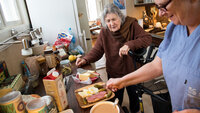
Nutritional status assessment – a professional responsibility in community nursing
It is challenging for community nurses to screen their patients’ nutritional risk because the guidelines fail to take sufficient account of the domestic arena.
It is challenging for community nurses to screen their patients’ nutritional risk because the guidelines fail to take sufficient account of the domestic arena.
Surgical departments and educational institutions lack an organisational structure and culture that supports evidence-based practice. This may affect patient safety.
Students who used this framework for communication conveyed more specific observations, gave fewer unfounded opinions, and experienced improvements in teamwork and patient safety.
Different perspectives on what to prioritise, characterise the cooperation.
It can be an enormous burden to be the next of kin of a substance abuser. Health personnel can help the next of kin to find strategies that maintain and improve their mental health.
New reforms and time-consuming tasks such as cleaning, preparing food and poor ICT solutions mean that nurses give less priority to safety measures in connection with medication management.
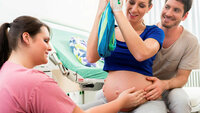
The father’s role has changed, and fathers have become more active as regards childcare. Nevertheless, they may feel excluded during pregnancy, childbirth and follow-up at the child health centre.
Patients fail to turn up for their treatment in private institutions if they feel inadequately involved, suffer dwindling motivation or feel pressurised into accepting the treatment.
Healthcare personnel who work with parents who are mentally ill or have substance abuse problems are uncertain about their role. The support that the children receive can therefore be haphazard.
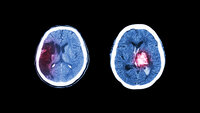
When nurses and healthcare personnel are able to identify which patients are particularly at risk of post-stroke fatigue, patients can be given the appropriate follow-up at the right time.