Is it acceptable to be asked about alcohol habits when admitted to a somatic hospital ward?
The patients accepted being asked about their alcohol habits and being referred to an alcohol and drug counsellor. The under-60s were more positive.
The patients accepted being asked about their alcohol habits and being referred to an alcohol and drug counsellor. The under-60s were more positive.
Patients move quickly between different units during the surgical pathway. Older patients in particular are at risk of suffering related to care such as violations of dignity, neglect and poor pain management.
Quality improvement measures led to midwives reducing the use of cardiotocography (CTG) on admission by 47 per cent. Nevertheless, they continued to use CTG more often than necessary.
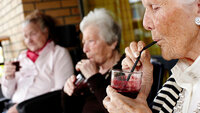
Health personnel find that high-energy smoothies do not always have the intended effect. Some patients become obstipated or nauseous, and undernourished patients do not gain weight.
They no longer need to always be looking for their next fix and have more time and money. Even though the treatment programme is challenging, they feel a greater sense of freedom.
Nursing home residents are dissatisfied with a sedentary life indoors and reach out more to others socially when they are outdoors. Nevertheless, they have little contact with nature and the outdoor environment.
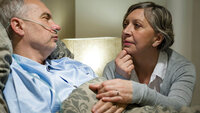
Establishing an individual care plan at an early stage of palliative care gives relatives hope and support. They also feel seen and their burden of responsibility is lessened.
Guided Self-Determination (GSD) can help improve the counselling skills of registered nurses. It can also encourage patients to reflect on their own communication skills.
The Multidimensional Dyspnea Profile is the first instrument in Norwegian that measures multiple dimensions of dyspnoea, regardless of underlying medical conditions.
Registered nurses and doctors should base their assessments of whether to stop parenteral nutrition on inter-disciplinary collaboration and competencies, with particular emphasis on experience-based knowledge.