Simulation-based team training in paediatric units
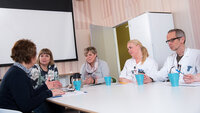
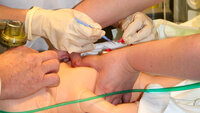
Simulation-based team training improves quality of patient care, but the training should be a planned activity.
30–60 per cent of older adults in hospitals and nursing homes are malnourished. A well-suited screening tool is to detect the persons who are at risk of malnutrition.
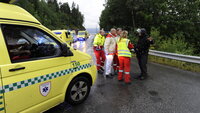
Healthcare personnel, the police and the fire and rescue service, as well as voluntary groups, felt that they were supported by management, worked well together and shared a sense of pride in their efforts.
Public health nurses make active use of the International Child Development Programme (ICDP) in their work to improve the interaction between parents and children.
The recently developed app APPETITT can inspire to a varied diet and increase the attention to dietary habits for home-dwelling elderly.
Nurses report that the end-of-life nursing care provided in nursing homes calls on staff to provide “more of everything”, and that nurses feel they are “left to deal with everything on their own”. This situation must be taken seriously, organisationally and policywise.
Some problems with PIVCs increased during the pandemic, such as the occurrence of purulence and loose dressings.
Patients dream of a living space with a predictable daily structure and clear organisation, where they receive individually tailored care and treatment, and where healthcare personnel enter into health-promoting relationships with them.
It may be beneficial to screen at-risk individuals for depressive symptoms and recognise that they may need more support from healthcare personnel.
The Northern Norway Regional Health Authority has specifically focused over time on enhancing health-related competence and research. This has resulted in a greater number of researchers and research fellows, and an increase in the number of published articles.