Evidence-based practice in nursing education
The study suggests that if evidence-based practice is taught systematically, it affects the students' learning outcome.
The study suggests that if evidence-based practice is taught systematically, it affects the students' learning outcome.
Simulation based communication courses can give improved communication skills and increased understanding of how the communication model may be used.
Patients fail to turn up for their treatment in private institutions if they feel inadequately involved, suffer dwindling motivation or feel pressurised into accepting the treatment.
Inspirational practical training entails peer mentoring by third-year students. This provides a better understanding of the complexity of nursing and the relevance of the profession.
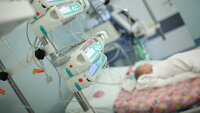
It is challenging to treat children in a general intensive care unit intended for adults. Good training, good cooperation, and fulfilling children’s needs are valuable measures.
Recruitment to the Cardiac Rehabilitation Programme seems to be somewhat random and ‘the main concern is to get the patients on the list’. Health professionals should communicate better among themselves and prepare guidelines for recruitment.
It is an ordeal to be diagnosed with and treated for testicular cancer. Various resources can help patients to handle the difficult situation more easily.
Nurses can experience moral stress and feel a sense of shame when they are torn between a patient’s needs and the requirements of the treatment system. Ethical reflection in supervision can help.
The students gain an increased understanding of cultural differences by maintaining an open attitude and receiving explanations of cultural differences that they do not understand.
They observe eye contact, comforting and other behaviours based on experience rather than by making use of recognised instruments. Their assessments are influenced by professional development opportunities, a heavy workload and interdisciplinary collaboration.