Lecturers’ experiences with supervising nursing students in clinical practice during the COVID-19 pandemic
They wanted clear guidelines and procedures and felt forced to digitise their work.
They wanted clear guidelines and procedures and felt forced to digitise their work.
By adopting a new supervision model, nurse managers acquired more positive attitudes towards students and started paying more attention to nursing issues.
A successful kidney-pancreas transplantation improves and stabilises patients’ daily lives. It also brings with it new elements of uncertainty that are important to convey to the patient.
Practice supervisors are of the opinion that the students need specially adapted arrangements for hospital work placements in order to complete their education.
Seriously ill patients require more medical-technical assistance and care. More nurses should have the opportunity to study Advanced Clinical Practice.
Measures such as the ‘getting-to-know-you’ day, the ‘float nurse’ function at an early stage, group meetings and internal training greatly benefitted supervisors and students at Oslo University Hospital.
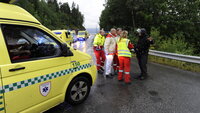
Healthcare personnel, the police and the fire and rescue service, as well as voluntary groups, felt that they were supported by management, worked well together and shared a sense of pride in their efforts.
Nurses report that the end-of-life nursing care provided in nursing homes calls on staff to provide “more of everything”, and that nurses feel they are “left to deal with everything on their own”. This situation must be taken seriously, organisationally and policywise.
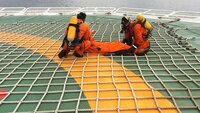
Today, nurses working in the offshore industry include staff who have specialised in intensive care or anaesthetic nursing as well as staff with no particular specialty. Are there differences between their own perceived competence levels?
While the illness is potentially life-threatening, it is invisible and not well known. Consequently, patients may be mistrusted and ignored, and they may feel inferior, vulnerable and insecure.