853 hit for Mental

Tannhelse og livskvalitet hos personer etter hjerneslag
Slagpasienter med dårlig tannhelse har redusert livskvalitet.

Forebygging av delirium hos eldre pasienter innlagt med hoftebrudd
Artikkelen viser at sykepleiere kan bidra til å forebygge delir hos eldre pasienter innlagt med hoftebrudd.
Smertebehandling av rusmisbrukere innlagt i sykehus
Studien indikerer behov for å øke helsepersonells kunnskaper om smertebehandling av rusmisbrukere innlagt i sykehus.

Artikkelkatalogen: fagfellevurderte artikler i Sykepleien Forskning
Klikk på en kategori i tabellen nedenfor, så får du oversikt over alle fagfellevurderte artikler publisert om temaet i Sykepleien Forskning.

Rehabilitation ward holiday closure and the course of sepsis
It did not affect discharge destinations or survival.

Using Share-FI to reveal frailty in connection with cognitive impairment
There was no correlation between the total score for frailty measured by Share-FI and cognitive tests.

Skal helsesøster tilby hjemmebesøk til alle foreldre med nyfødt barn?
I Norge har foreldre med nyfødt barn rett til hjemmebesøk av helsesøster. Hva sier forskningen om foreldrenes erfaringer og tilfredshet med dette tilbudet?
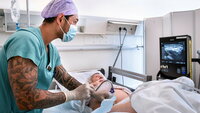
Nurse-performed ultrasound-guided nerve block for hip fracture patients
The method seems to be especially efficient for patients experiencing high initial pain intensities.
Ads
Ads
Ads


