Healthcare personnel’s assessment of their competence after a course in trauma nursing
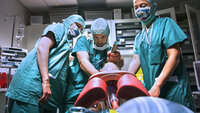
Healthcare personnel find that they are better equipped to receive and treat trauma patients after taking the Course in Trauma Nursing.
Healthcare personnel find that they are better equipped to receive and treat trauma patients after taking the Course in Trauma Nursing.
The scales IC-RDOS and MV-RDOS had ‘very good‘ inter-rater reliability.
They believe that they have their highest level of competence within the competence area ‘Value-based nursing care’.
Surgical patients are exposed to heat loss, which can lead to complications such as increased oxygen demand, higher infection risk and cardiovascular problems.
More and more studies are examining systems for early detection of clinical deterioration in non-hospital settings, but few have focused on older people and primary care.
While the illness is potentially life-threatening, it is invisible and not well known. Consequently, patients may be mistrusted and ignored, and they may feel inferior, vulnerable and insecure.
The postnatal period is a vulnerable time that involves reorientation and new experiences. Early visits by a midwife may therefore help enhance the women’s perception of coping.
It may be beneficial to screen at-risk individuals for depressive symptoms and recognise that they may need more support from healthcare personnel.
The registered nurses demonstrated a higher level of competence than the nursing associates and healthcare assistants. However, scores were too low in all three groups in response to emergency scenarios.
Fatigue, dry mouth and loss of appetite are the most distressing symptoms, according to a screening with the ESAS tool.