Rutinemessig kartlegging av fødselsdepresjon setter psykisk helse på dagsordenen
Når helsesykepleiere bruker kartleggingsverktøyet EPDS i tillegg til magefølelsen og klinisk skjønn, identifiserer de flere som har behov for hjelp.
Når helsesykepleiere bruker kartleggingsverktøyet EPDS i tillegg til magefølelsen og klinisk skjønn, identifiserer de flere som har behov for hjelp.
Pårørende ønsker å være en ressurs, men trenger å få relevant informasjon og involveres som sentrale samarbeidspartnere.
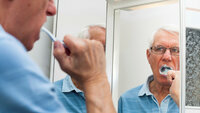
Inadequate post-stroke follow-up of dental health led to reduced oral health and loss of teeth. Better interdisciplinary follow-up could probably have prevented it.
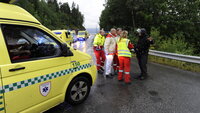
Healthcare personnel, the police and the fire and rescue service, as well as voluntary groups, felt that they were supported by management, worked well together and shared a sense of pride in their efforts.
Involving a user and a professional translator may be appropriate when an instrument is translated and adapted to another culture.
Too many patients had hypothermia both on admission, and one hour after admission, to a postoperative intensive care unit. Elderly patients and those who had undergone laparoscopic surgery were particularly at risk.
Fatigue, dry mouth and loss of appetite are the most distressing symptoms, according to a screening with the ESAS tool.
Participation in cancer and palliative care networks increased the registered nurses’ competence. Staff exchange training schemes and frequent participation in clinical practice days were also highly beneficial.
Readmitted patients are older, but their mortality rate is almost equal to that of non-readmitted patients. Patients readmitted within 72 hours are more likely to have an incomplete written transfer report.
Recruitment to the Cardiac Rehabilitation Programme seems to be somewhat random and ‘the main concern is to get the patients on the list’. Health professionals should communicate better among themselves and prepare guidelines for recruitment.