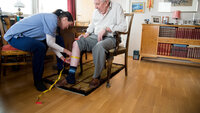
Nutritional screening in home-based nursing care can be improved
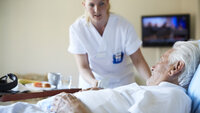
In order to meet the challenges associated with undernutrition in elderly patients who receive home-based nursing care, it is necessary to screen for nutritional status.
In order to meet the challenges associated with undernutrition in elderly patients who receive home-based nursing care, it is necessary to screen for nutritional status.
De-escalation training improved students’ de-escalation skills and boosted their confidence in coping with patient aggression.
Only 7 out of 20 PEHA skills were regularly applied in relevant patient situations in clinical training.
More knowledge of the symptoms of delirium in this vulnerable patient group may lead to a better neurological outcome and prevent unnecessary testing, shorten hospital stays and lower mortality.
Patients and their caregivers experience less anxiety and worry. Healthcare personnel also had positive experiences with the telemedicine service.
Health personnel are instructed to register cardiac arrests in The Norwegian Cardiac Arrest Registry. Still, only one in three patients with cardiac arrest in the intesive care ward is registered.
A successful kidney-pancreas transplantation improves and stabilises patients’ daily lives. It also brings with it new elements of uncertainty that are important to convey to the patient.
A care discourse, aimed at the patient’s needs, was prominent in the evaluation and assessment notes. The treatment plans reflected a problem-focused discourse, where only problems were recorded.
By adopting a new supervision model, nurse managers acquired more positive attitudes towards students and started paying more attention to nursing issues.
Many municipal in-patient acute care units do not use scoring tools as part of registered nurses’ decision-making basis.