Use of admission CTG in low-risk parous women: a clinical audit
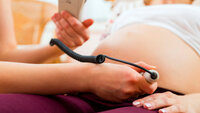
Quality improvement measures led to midwives reducing the use of cardiotocography (CTG) on admission by 47 per cent. Nevertheless, they continued to use CTG more often than necessary.
Quality improvement measures led to midwives reducing the use of cardiotocography (CTG) on admission by 47 per cent. Nevertheless, they continued to use CTG more often than necessary.
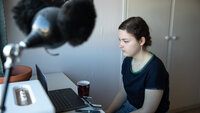
Few of the pupils had been informed that they could contact the school nurse during the school closure or had used the online chat service or helpline.
The registered nurses demonstrated a higher level of competence than the nursing associates and healthcare assistants. However, scores were too low in all three groups in response to emergency scenarios.
Registered nurses taking a master’s degree and/or a postgraduate programme acquired relevant knowledge that they could use in their daily work in order to assist patients in the decision-making process.
Only one guideline detailed a practical and systematic set-up of instrument tables.
They wanted clear guidelines and procedures and felt forced to digitise their work.
De-escalation training improved students’ de-escalation skills and boosted their confidence in coping with patient aggression.
Only 7 out of 20 PEHA skills were regularly applied in relevant patient situations in clinical training.
Many were redeployed to basic nursing roles and ancillary functions.
Many medical records lacked information about nutritional risk, and few patients at nutritional risk were followed up.