COVID-19 and the management and care of peripheral intravenous catheters
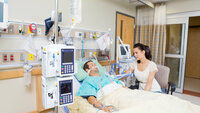
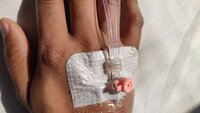
Some problems with PIVCs increased during the pandemic, such as the occurrence of purulence and loose dressings.
Some problems with PIVCs increased during the pandemic, such as the occurrence of purulence and loose dressings.
De-escalation training improved students’ de-escalation skills and boosted their confidence in coping with patient aggression.
A calm atmosphere with single rooms, flexible visiting hours and trust in the healthcare personnel can help the family members to serve as a resource for heart surgery patients with a prolonged stay in intensive care.
A successful kidney-pancreas transplantation improves and stabilises patients’ daily lives. It also brings with it new elements of uncertainty that are important to convey to the patient.
The out-of-hours doctor did not receive formal patient information in at least half of the doctor’s visits to nursing homes in Oslo. This may subject the patients to inappropriate treatment and unnecessary hospitalisation.
Women who have experienced sexual coercion have normally been subjected to other forms of violence, such as acts of dominance and isolation, or emotional, verbal or physical abuse.
By adopting a new supervision model, nurse managers acquired more positive attitudes towards students and started paying more attention to nursing issues.
Registered nurses and doctors should base their assessments of whether to stop parenteral nutrition on inter-disciplinary collaboration and competencies, with particular emphasis on experience-based knowledge.
Helath personnel can learn from the pain team when they have pharmacology-related questions and are drawing up treatment plans, and when they are establishing open and trusting relations with the patient.