Infection control at nursing homes during the COVID-19 pandemic
Nursing homes have had better routines, training of personnel, and access to testing and PPE during the coronavirus pandemic than the picture painted in the media.
Nursing homes have had better routines, training of personnel, and access to testing and PPE during the coronavirus pandemic than the picture painted in the media.
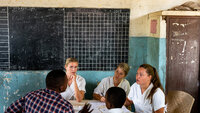
The experiences gained during a student exchange in Tanzania have subsequently had a major impact on the nurses’ personal and professional development.
They should be on the lookout for risk factors such as functional impairment, loneliness, changing roles and the feeling of being a burden.
Participation in cancer and palliative care networks increased the registered nurses’ competence. Staff exchange training schemes and frequent participation in clinical practice days were also highly beneficial.
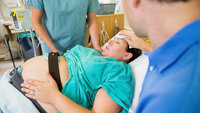
The practice differs when midwives use medication to stimulate contractions rather than breast stimulation. Not all midwives classified the CTG or used a checklist for oxytocin stimulation.
Involving a user and a professional translator may be appropriate when an instrument is translated and adapted to another culture.
Healthcare personnel found it challenging to judge what was in the child’s best interest. The child’s right to autonomy and involvement was often not heeded, and the child was rarely included in the decision-making process.
30–60 per cent of older adults in hospitals and nursing homes are malnourished. A well-suited screening tool is to detect the persons who are at risk of malnutrition.
Sykepleiere med master i anestesi- og intensivsykepleie vil styrke helseteamets samlede kompetanse og bidra til økt pasientsikkerhet.
The registered nurses demonstrated a higher level of competence than the nursing associates and healthcare assistants. However, scores were too low in all three groups in response to emergency scenarios.