Evidence-based practice in nursing education
The study suggests that if evidence-based practice is taught systematically, it affects the students' learning outcome.
The study suggests that if evidence-based practice is taught systematically, it affects the students' learning outcome.
Patients fail to turn up for their treatment in private institutions if they feel inadequately involved, suffer dwindling motivation or feel pressurised into accepting the treatment.
Nursing homes have had better routines, training of personnel, and access to testing and PPE during the coronavirus pandemic than the picture painted in the media.
Close relatives help patients to live at home longer and are an important resource for the welfare state. But they can also contribute to an unfair allocation of nursing home beds by advocating for their own family members.
Young girls want information about bleeding and irregular bleeding in relation to use of the contraceptive pill.
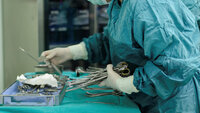
National and multi-regional hospitals appear to use procedures for set-up of instruments in the sterile field more often than local and regional hospitals.
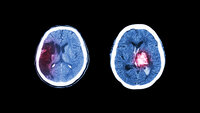
When nurses and healthcare personnel are able to identify which patients are particularly at risk of post-stroke fatigue, patients can be given the appropriate follow-up at the right time.
Participation in cancer and palliative care networks increased the registered nurses’ competence. Staff exchange training schemes and frequent participation in clinical practice days were also highly beneficial.
In the last twenty years, PhD theses in nursing science at the University of Oslo (UiO) have changed in terms of methodology, authorship and theoretical approach. Has the research become less patient-centred and patient-oriented?
Different perspectives on what to prioritise, characterise the cooperation.