Kreftbehandlingen var bare halve jobben
Denne artikkelen gir en kort oppsummering av doktorgradsprosjektet: «The cancer treatment was only half the work! – a mixed-method study of rehabilitation of young adult cancer survivor».
Denne artikkelen gir en kort oppsummering av doktorgradsprosjektet: «The cancer treatment was only half the work! – a mixed-method study of rehabilitation of young adult cancer survivor».
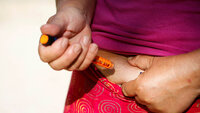
Mange pasienter med type 2-diabetes er skeptisk til insulinbehandling. Det kan føre til at de blir sykere.
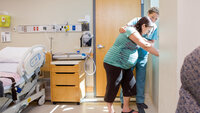
Få jordmødre fulgte anbefalingene om å definere aktiv fødsel i elektronisk journal. Det er usikkert hvor mange fødekvinner som fikk kontinuerlig oppfølging av jordmor.
Både smerte og smertebehandling kan være medvirkende årsaker til delirium hos eldre pasienter. Det er derfor viktig at sykepleiere har god kompetanse til å vurdere smerte for å forebygge og behandle delirium.
Undervisningskonseptet ALERT hevet kompetansen til helsearbeidere i kommunehelsetjenesten og økte trolig jobbtilfredsheten.
Utsagnet i overskriften kom fra en jente som har en kreftsyk mor. Jeg kjenner det igjen både i min praksis som sykepleier, og i vår forskning og kliniske arbeid med familier, skriver sykepleier og forsker May Aasebø Hauken.
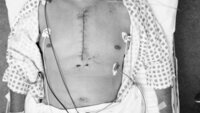
Studien gir et bilde av hvilke områder sykepleiere både har og trenger mer kompetanse på når det gjelder smerte og smertebehandling etter hjerteoperasjon.
Sykepleiere med klinisk kompetanse erfarte at de hadde bevart sin spisskompetanse som kliniske spesialister og fortsatt brukte kompetansen sin.
Studien indikerer at sykepleiere som jobber på infeksjonsposter har mer kunnskap og er tryggere i pleien av pasienter med multiresistente bakterier.